Discover the Function of AI in Promoting Ethics and Stability to Fight Insider Threats Efficiently
The combination of AI in organizational structures has actually ended up being crucial in resolving expert threats. By employing sophisticated analytics and real-time tracking, AI systems can determine inconsistencies from honest actions amongst staff members (Insider threats). This proactive strategy not just improves conformity but also cultivates a setting of count on. As business progressively rely on these technologies, questions arise concerning their performance and potential implications for workplace culture. What lies ahead in the development of AI's duty in advertising stability?
Recognizing Insider Threats and Their Effect On Organizations
Although companies commonly focus on external hazards, expert dangers pose a considerable danger that can undermine safety and security and integrity. These risks arise from individuals within the company, such as professionals or employees, that might abuse their access to sensitive info for individual gain or destructive intent. The influence of expert risks can be serious, bring about monetary losses, reputational damage, and lawful ramifications.
Aspects adding to insider risks include discontentment with the office, absence of oversight, and insufficient worker training on safety and security protocols. Organizations commonly battle to recognize these hazards, as they can be tough to detect up until substantial damage has actually happened. Avoidance methods should concentrate on promoting a culture of trust fund and liability, alongside carrying out durable monitoring and reporting systems. By recognizing and attending to the intricacies of expert hazards, companies can improve their safety position and safeguard their important assets from internal risks.
The Development of AI in Work Environment Safety
As companies significantly challenge varied safety and security challenges, the integration of expert system (AI) in work environment safety and security has actually advanced significantly. At first, AI applications concentrated largely on automating fundamental safety and security procedures, such as access control and surveillance. Improvements in device understanding and information analytics have actually changed AI into an aggressive device qualified of recognizing prospective hazards and vulnerabilities in real-time.
Organizations currently utilize AI-driven systems to assess substantial quantities of information, allowing them to spot strange behavior that might show insider threats. This advancement has actually resulted in the advancement of sophisticated formulas that can learn from historic events, enhancing the system's anticipating abilities. On top of that, AI tools are increasingly made use of to enhance case action processes, permitting security groups to act quickly and effectively.
Just How AI Monitors Worker Habits for Ethical Conformity
Fabricated intelligence plays a necessary duty in keeping track of staff member habits to assure ethical compliance within organizations. AI systems evaluate large amounts of data created by employees, including interactions, deals, and access to sensitive details. By employing sophisticated algorithms, these systems can recognize inconsistencies from developed moral standards and firm policies.
Artificial intelligence designs constantly adjust to identify patterns of actions that could show ethical breaches, such as unapproved information accessibility or uncommon purchase tasks. Insider threats. On top of that, AI-driven tools can offer real-time notifies to management, promoting prompt interventions when potential risks are found
The integration of AI right into conformity tracking not just boosts the organization's ability to support stability but also fosters a society of responsibility among workers. By advertising transparency, AI systems work as a deterrent versus unethical behavior, guaranteeing that staff members continue to be lined up with ethical standards and business worths.
Evaluating Patterns: Recognizing Risky Actions With AI
A growing variety of companies are leveraging AI to analyze patterns that might suggest high-risk actions amongst staff members. By using innovative algorithms, these systems can sift with large amounts of data, recognizing anomalies in individual actions that can recommend potential insider risks. AI can find uncommon gain access to patterns to delicate info, such as workers accessing data outside their typical scope of work or during atypical hours. Additionally, behavior analytics can highlight frequent changes in a staff member's communication style or collaboration routines, which may signify underlying problems. This positive technique makes it possible for companies to pinpoint threat factors prior to they intensify right into considerable risks. The integration of AI right into checking methods not just enhances safety but additionally cultivates a culture of responsibility and ethical actions. By determining these patterns, companies can better recognize the behavior characteristics within their labor force, eventually promoting a more secure and much more moral workplace.
Real-Time Insights: Immediate Actions to Prospective Hazards
Real-time understandings via anticipating analytics and automated sharp systems play a vital duty in resolving prospective hazards to values and honesty. By leveraging these modern technologies, organizations can expect high-risk actions and respond promptly to mitigate risks. This proactive method improves accountability and promotes a culture of honesty in different atmospheres.
Anticipating Analytics Applications
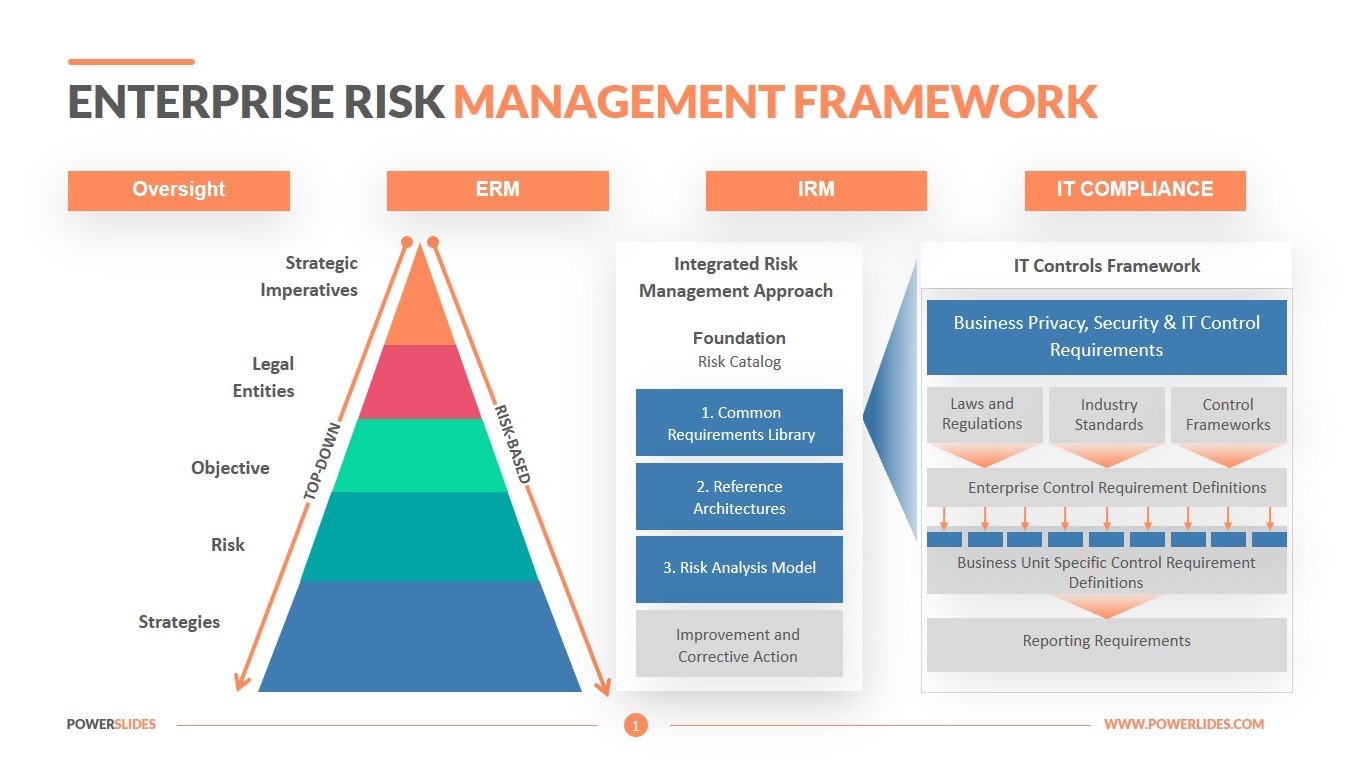
Automated Alert Equipments
Anticipating analytics provides a foundation for organizations to boost their responsiveness to moral concerns with automated alert systems. These systems make use of real-time data to keep track of tasks, detecting abnormalities that might symbolize potential expert risks. By leveraging device knowing algorithms, automated signals can determine patterns of actions that differ established standards, enabling swift intervention. This immediacy is important in mitigating dangers connected with underhanded techniques. Automated alert systems can simplify interaction amongst appropriate stakeholders, guaranteeing that potential dangers are resolved promptly and successfully. As companies increasingly count on AI-driven solutions, the combination of automated sharp systems will play a critical duty in fostering a culture of principles and integrity, inevitably safeguarding organizational possessions.
Promoting a Culture of Count On Via AI-Driven Transparency
AI-driven openness can significantly boost trust within companies by promoting responsibility and open interaction. Via real-time surveillance options, stakeholders can gain understandings right into procedures and decision-making, promoting a culture of honesty. Data-driven decision-making further supports this transparency, making it possible for notified options that line up with moral criteria.
Enhancing Openness and Responsibility
Just how can companies effectively cultivate a culture of trust? By enhancing transparency and accountability via the tactical use man-made knowledge. AI can aid organizations methodically track decision-making procedures, making sure that actions line up with well-known moral criteria. This openness enables staff members to see the reasoning behind plans and choices, minimizing uncertainty and cultivating a feeling of fairness. Additionally, AI-driven devices can assist in clear communication concerning assumptions and obligations, equipping individuals to take ownership of their actions. As responsibility becomes ingrained in the organizational culture, employees are most likely to engage in ethical actions, recognizing their actions are kept an eye on and reviewed. Eventually, this approach cultivates an atmosphere where trust fund can prosper, greatly reducing the risk of expert threats.
Real-Time Tracking Solutions
As companies progressively seek to cultivate a culture of trust fund, real-time surveillance remedies become a crucial device in boosting transparency. These AI-driven systems constantly track activities, giving understandings right into customer actions and prospective anomalies that may show expert risks. By carrying out such tracking solutions, companies can proactively recognize dangers, making sure prompt feedbacks to dubious tasks. This not only safeguards sensitive details but also strengthens a dedication to ethical methods. Furthermore, the transparent nature of real-time surveillance helps develop worker self-confidence, as individuals know that their actions are being observed for the better good. Inevitably, these remedies serve to cultivate a workplace atmosphere grounded in count on, liability, and honest honesty, vital for minimizing expert risks effectively.

Data-Driven Decision Making
Real-time monitoring options lay the foundation for data-driven decision making, which substantially enhances business transparency. By leveraging AI find modern technologies, companies can assess substantial amounts of information to determine patterns and abnormalities a measure of potential insider hazards. This analytical approach enables stakeholders to make informed choices based in empirical proof, fostering a culture of depend on among staff members. Transparency in decision-making processes, strengthened by AI-driven understandings, motivates liability and honest behavior. Furthermore, it permits organizations to proactively attend to vulnerabilities, making sure that actions taken are justified and connected plainly. Because of this, the execution of data-driven approaches not just reduces dangers linked with expert risks but also strengthens the values of integrity and moral conduct within the business framework.
Future Trends: The Function of AI in Enhancing Office Ethics
While companies increasingly transform to expert system for functional performance, the potential of AI to improve work environment values is obtaining importance. Future trends show that AI will play a vital duty in creating honest structures and standards, allowing companies to browse intricate moral issues. By analyzing large quantities of information, AI can identify patterns of dishonest habits and provide understandings that advertise openness and liability.
Additionally, AI-driven tools can facilitate real-time surveillance of employee communications, ensuring adherence to ethical criteria. This aggressive technique not only mitigates insider risks but likewise grows a culture of stability. As organizations embrace AI innovations, they have to additionally prioritize honest programs and algorithmic predisposition reduction to assure justness.
In this evolving landscape, the integration of AI in ethical techniques represents a transformative change, cultivating an atmosphere where honesty is not just expected but systematically strengthened.
Often Asked Inquiries
Just How Does AI Differentiate Between Benign and Malicious Actions?
AI distinguishes between benign and malicious actions by assessing patterns in user actions, employing artificial intelligence formulas to identify abnormalities, and assessing contextual data to identify whether actions align with recognized norms or display prospective hazards.
Can AI Tools Replace Human Judgment in Ethical Decision-Making?
AI devices can not completely replace human judgment in ethical decision-making. While they can evaluate information and recognize patterns, the nuanced understanding of context, worths, and moral ramifications still requires human understanding and discernment.
What Are the Personal Privacy Ramifications of AI Keeping Track Of Staff Member Actions?
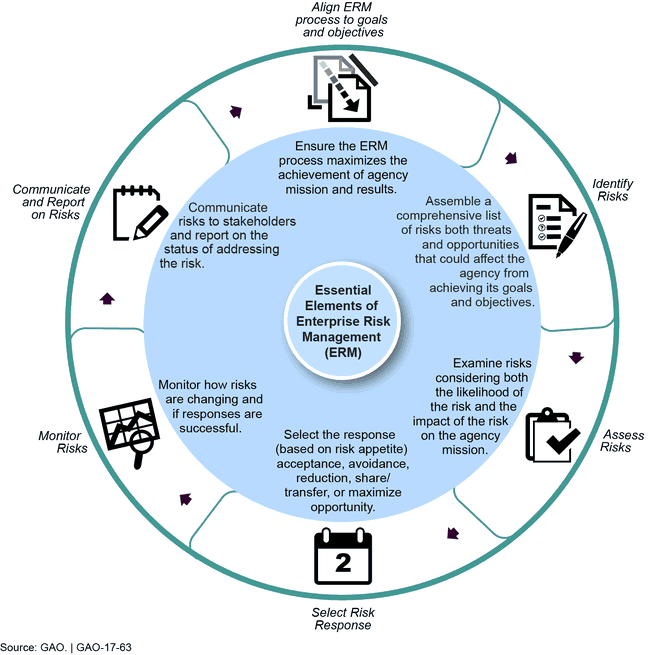
Just How Can Organizations Guarantee AI Algorithms Are Ethically Created?
Organizations can guarantee AI formulas are morally made by executing clear development processes, entailing diverse stakeholders, conducting routine audits, and adhering to established moral structures that prioritize justness, accountability, and regard for customer personal privacy and rights.
What Training Is Needed for Team to Recognize Ai's Moral Role?
Staff training must include fundamental AI ethics, information privacy, and prejudice understanding. Workshops, study, and interactive sessions can enhance understanding, guaranteeing employees identify AI's moral effects and its duty in cultivating honesty within the company.
Man-made intelligence plays a necessary duty in keeping an eye on employee actions to ensure honest try this site conformity within companies. The combination of AI right into monitoring methods not only boosts safety and security but also promotes a society of accountability and ethical habits. While companies increasingly face honest predicaments and potential stability breaches, anticipating analytics applications provide timely insights that can aid alleviate these risks. Predictive analytics provides a structure for companies to improve their responsiveness to moral problems with automated sharp systems. Future trends show that AI will certainly play a necessary duty in developing moral structures and standards, enabling organizations to navigate complicated ethical predicaments.